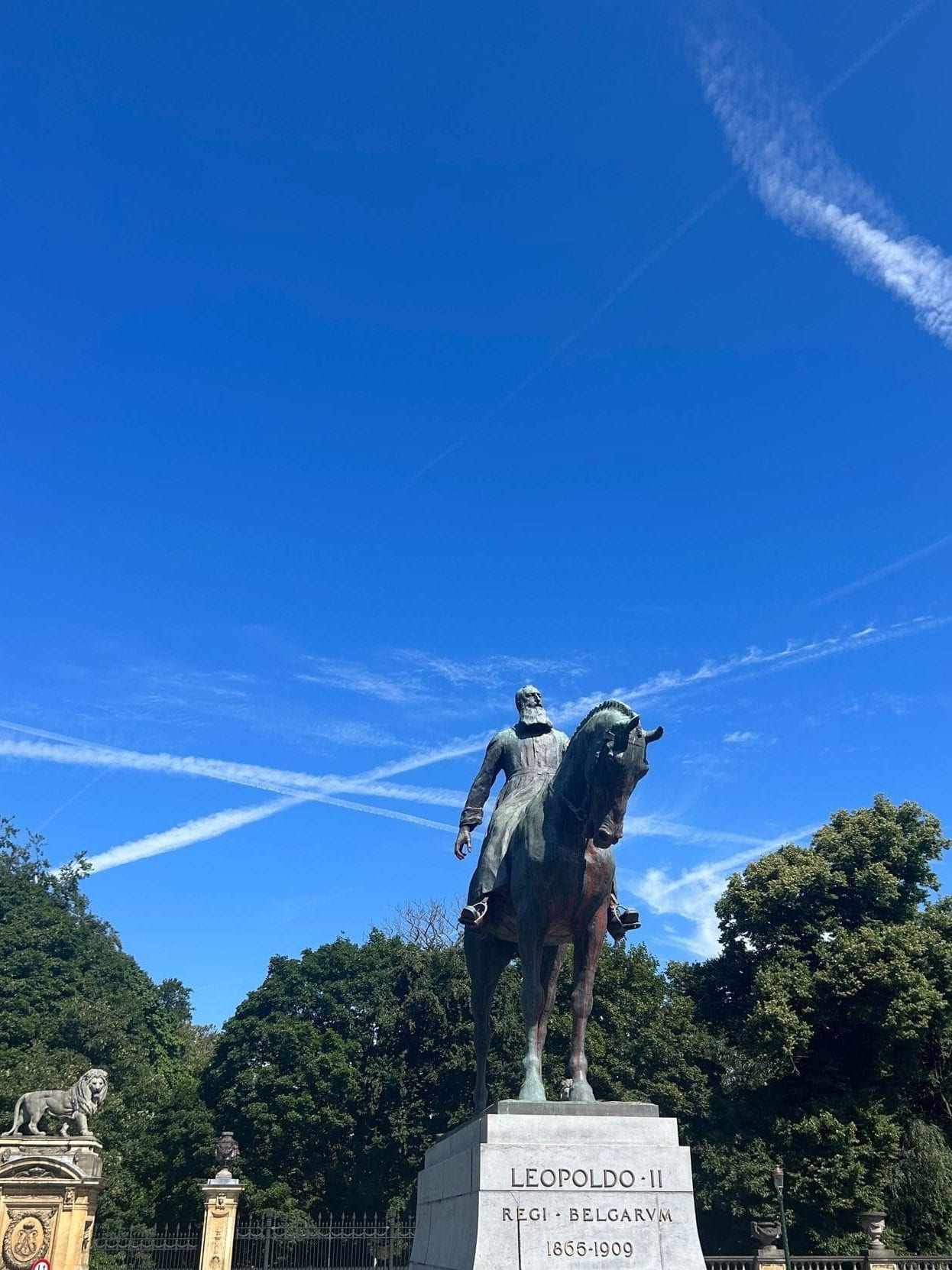
During our time in Belgium, thinking critically of the spaces we are in is vital. Visiting cities and viewing statues, museums, and parks that contain a direct link with the past shows how Belgians view the it. Do they decide to face it head on or act as if it doesn’t exist?
On July 11th, our class was able to take a guided tour of Brussels where we were able to think freely and analytically about the city. We were able to see that our tour guide had a completely different outlook about King Leopold II compared to the tour guide we had in Leuven. He invited us to take in the sites we visited through a lens of decolonization of the mind, space, and history. The decolonization of space refers to how people keep statues of important figures like King Leopold II in public spaces. Taking these statues down would be acts of mental decolonization(also space) because of the power the statues have.
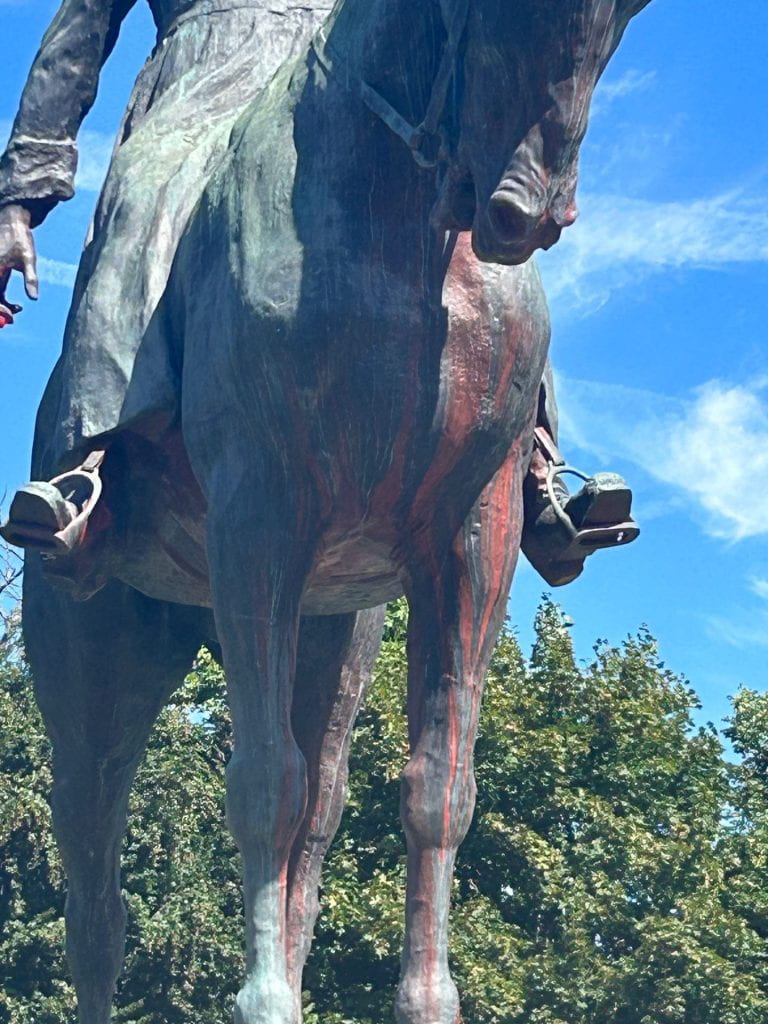
Later we stopped to see the King Leopold II statue that still had remnants of red paint from people who have tried to deface the monument (reference picture below). Defacing statues were sparked by the Black Lives Matter movement that happened in the United States in 2020. Some Belgians, and those of Congolese descent, feel that the statues should be taken down because the statues tell a story of power and prestige that came from the hands and blood of the Congolese. This prompted a debate within our group about what should be done with a statue of a man who was responsible for depleting half of The Congo’s population.
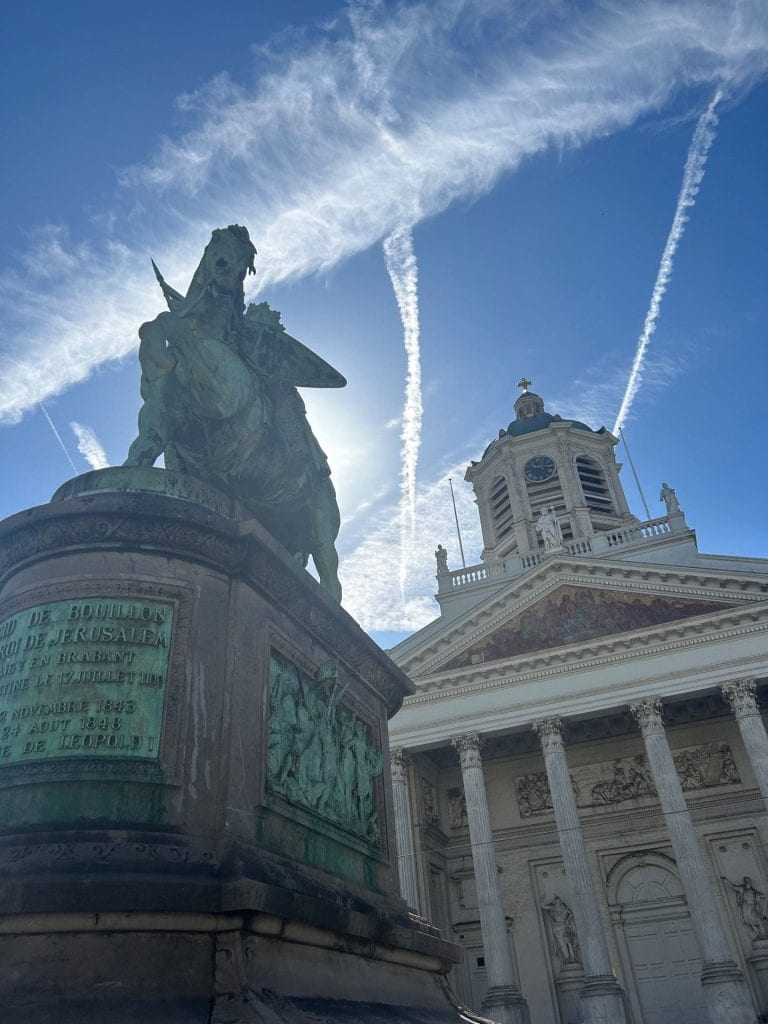
This was the same for two other statues around the city: Émile Storms and Godfrey Bouillon. Storms was responsible for the colonization of East Congo and was known for exhibiting heads of those he killed around his palace; Godfried Bouillon, who Leopold II idolized, was also responsible for bloodshed during the crusades against Muslims in Jerusalem, yet his statue remains standing(reference picture below). It is the government’s decision to erect and keep these statues.
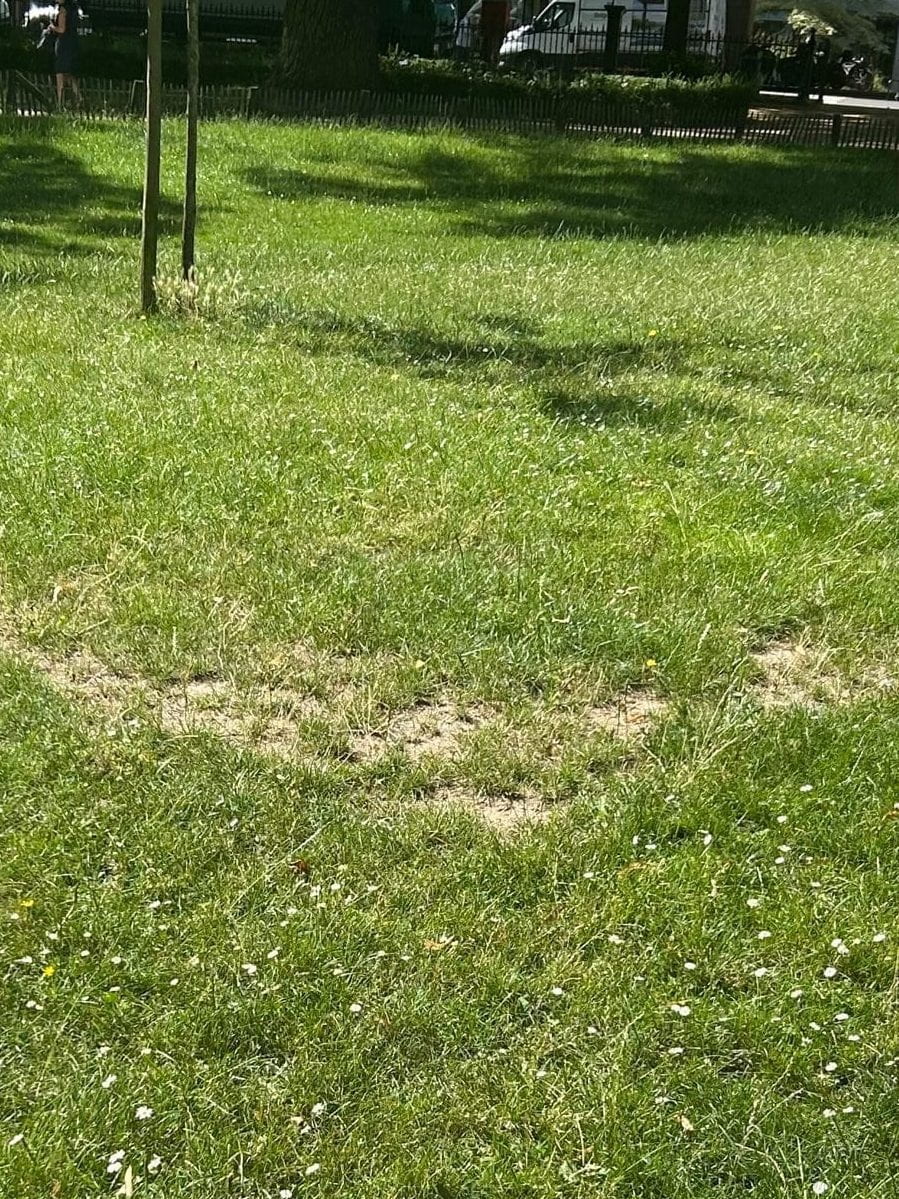
Keeping statues that represent horrid events does not inform anyone of the atrocities that occurred, however they do display the power that these figures still hold with regard to the Belgian national narrative.
In stark contrast, a statue of a mother and her baby that stand in the main center of Matonge (an African neighborhood in Brussels) created out of bullet casings. By using the bullet casings it disrupts and portrays a counter-narrative of the violence brought by these same kinds of figures. These types of art such as these should replace or be placed in conversation with statues of men who were responsible for genocides and mass murders as a way to memorialize lives that were lost.
“As recently as 2018, the skulls of 50 people of Congolese origin from the colonial period were found in the laboratory of the Université libre de Bruxelles (ULB), which they subsequently agreed to return.”
~Ioana Plesea, “Colonial human remains should be returned, not put on display.”
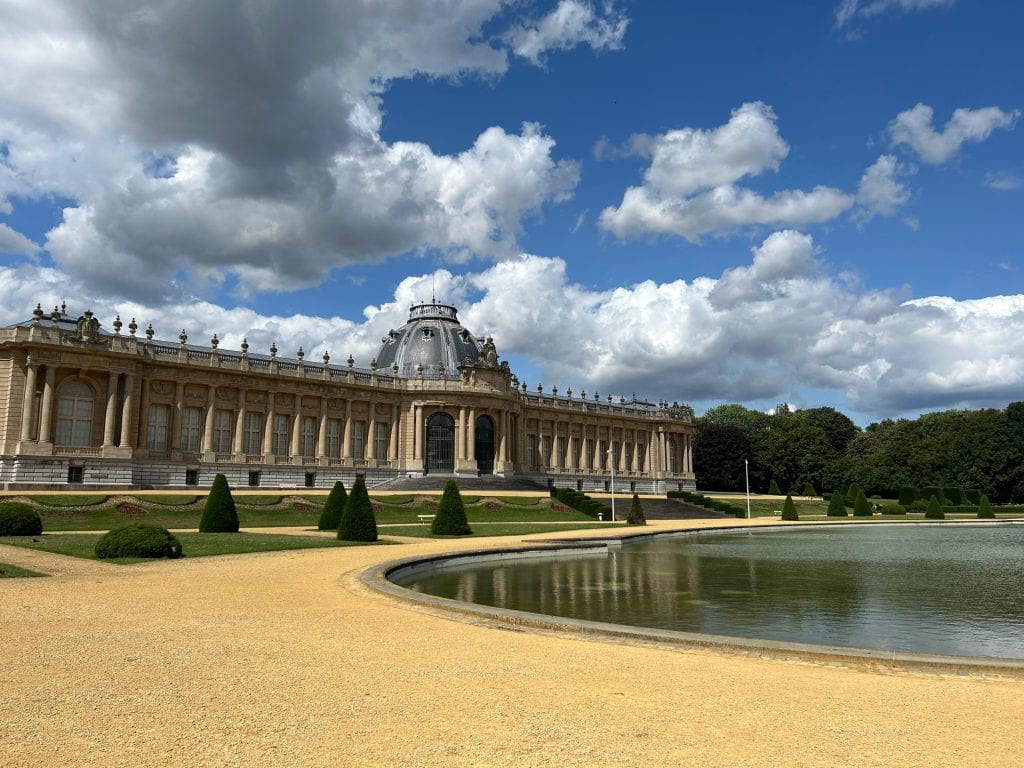
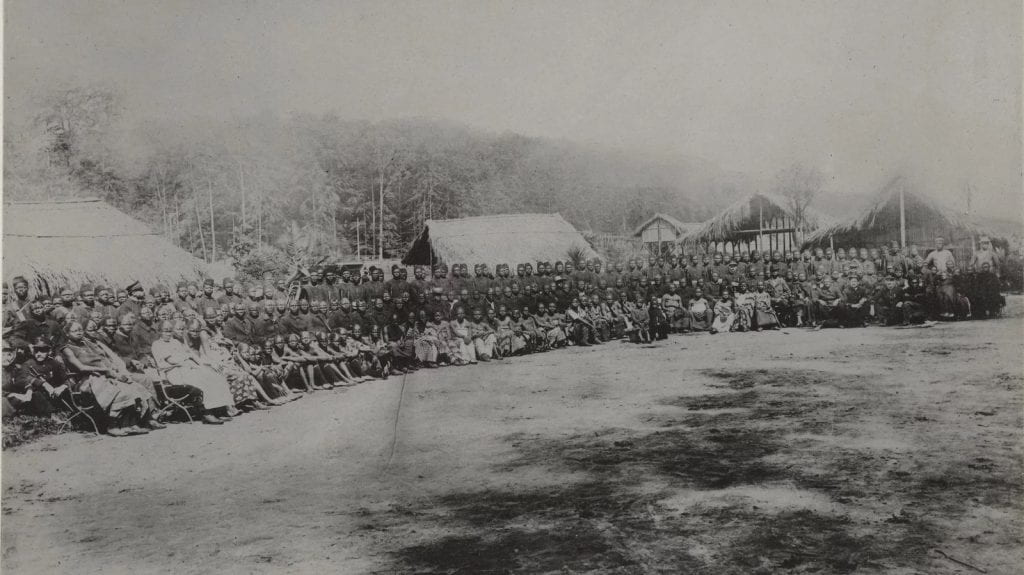
In addition to viewing the decolonization of space, history, and the mind on the 12th, we took a bus to The Royal Museum for Central Africa located in Tuerven, about twenty minutes away from Leuven. The Africa Museum dates back to 1897 and was formerly known as the “Colonial Palace,” where King Leopold II would display artifacts from Africa that Stanley brought back—including people. This was notorious for having human zoos, where 267 Congolese people –men, women, and children– were taken to perform for the Belgians (Kakissi 2018). They would dress up in degrading clothing and roleplay an “everyday life.” After an unpaid day’s work, the Congolese workers would change back into their clothes and sleep in a nearby hostel. Watchers would throw candy to them and when it caused the Congolese to become sick, a sign was hung up that read “The blacks are fed by the organizing committee” (this is very similar to signs placed around animal zoos that say “Don’t feed the animals”). In addition to candy being thrown at the Congolese, Europeans would throw peanuts and bananas which were accompanied by them making monkey noises (Kakissi 2018). This enforces prejudice thinking that Black people are savages, animals, and uncivilized. The last human zoo closed in 1958, which was only 65 years ago meaning that children who were forced into this could still be alive, along with their story.
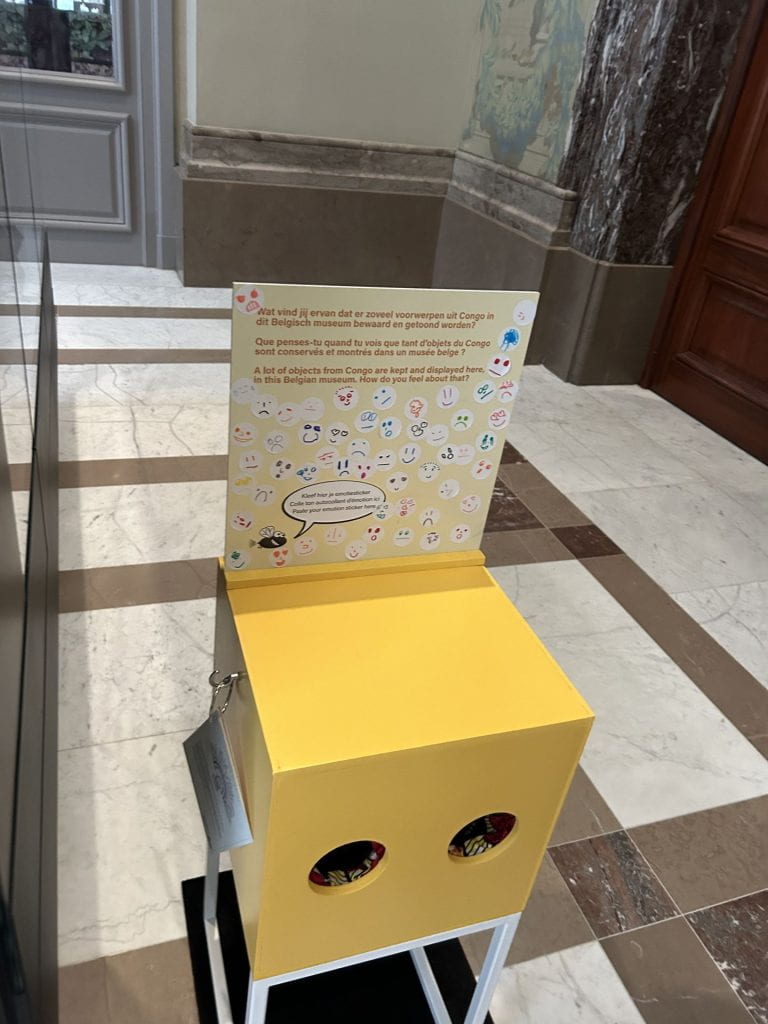
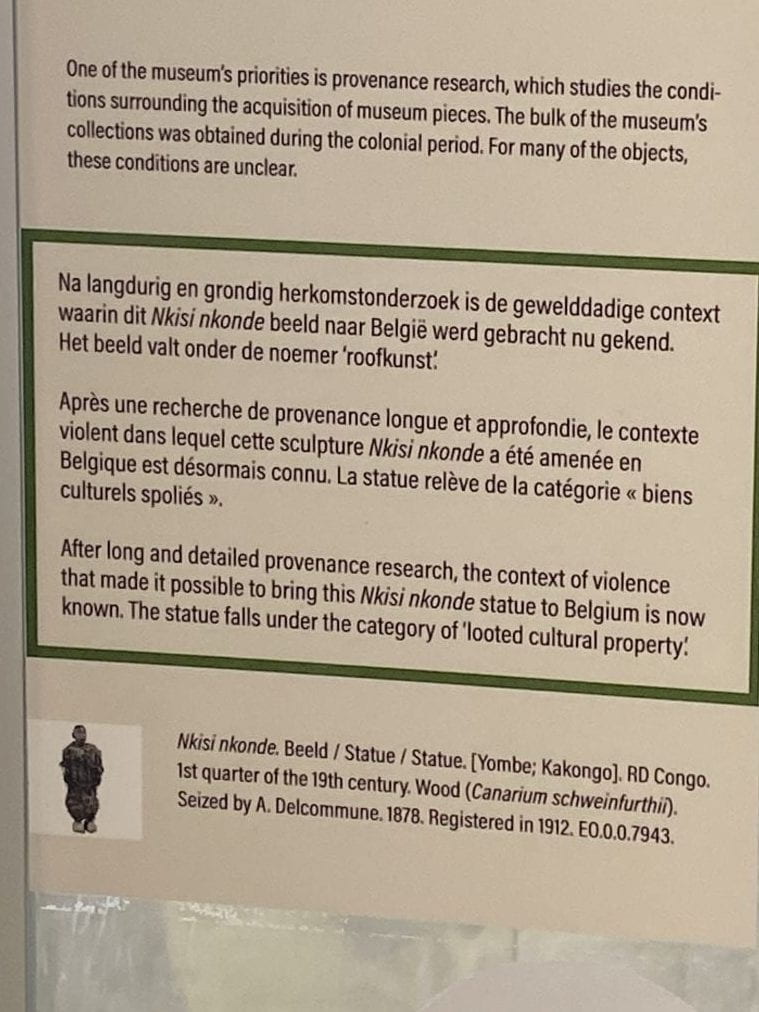
When visiting the museum we needed to keep a couple of things in mind. One, how does the museum feel about decolonization, and two, how do they feel about the destruction of the Congo and how do they answer these questions by things around the museum? The museum was remodeled in 2018 to rethink the way the artifacts were on display before. One of the first things one sees when walking into the museum is a sign that describes how artifacts were obtained during the colonial period (when all of this violence was occurring) and some are categorized as “looted cultural property” (which means stolen). A museum should be a place of knowledge and learning with zero bias, yet the Africa Museum has a narrative that it is trying to tell. On one hand, keeping the original artifacts that Leopold ordered to be stolen is going against the museum’s mission of “present[ing] a… decolonized vision of Africa”(Africa Museum). The museum has things such as feedback boxes and places where citizens can upload documents, pictures, and correct information that is on display. Tools such as these are great ways for the museum to be open to change, but there aren’t ways to see if the museum has made these changes, aside from the remodel.
Throughout the museum, there are empty slots that used to hold very racist depictions of African people, these were taken down. In one of the very first areas of the museum is a room secluded to the side with an exhibit titled “Sculptures Store Away.” The main and most powerful structure was the Leopard Man, who is seen standing over a man. This statue resulted in rumors about there being murders targeting innocent people happening in the Congo by men dressed in a leopard costume with claws. Representation of the Congolese as “savages” and even murders has played into stereotypes today and is still something that Black people battle against in social situations and in the media. Having something like this in a place where people are learning about the Congolese is very detrimental in the sense of the narrative its is construing that Black people are untamed and dangerous, especially because the Leopard Man was on main display until 2013. Having an exhibit where there are hurtful statues, such as the Leopard Man, or of people who played a role in the colonization of the Congo can be very controversial. On one hand there is an interactive aspect where one can read about each statue that is there and is very informative. But, at the same time why keep them? Why allow for people, especially those of African descent, to be reminded of the oppression and colonization that still affect people today.
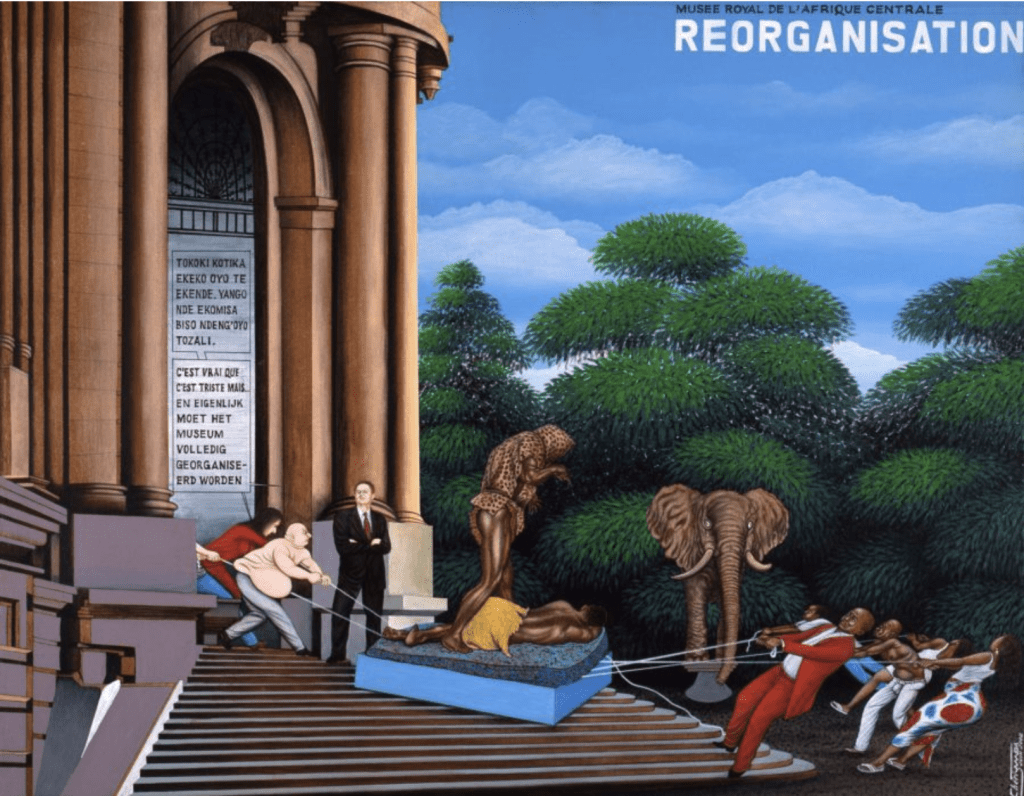
“The museum therefore explicitly distances itself from [colonialism]. It takes responsibility for the impact that its previous propaganda for colonialism has had on the multicultural society of today, and for the message of Western moral and intellectual superiority it has conveyed in the past.”
– Royal Museum for Central Africa
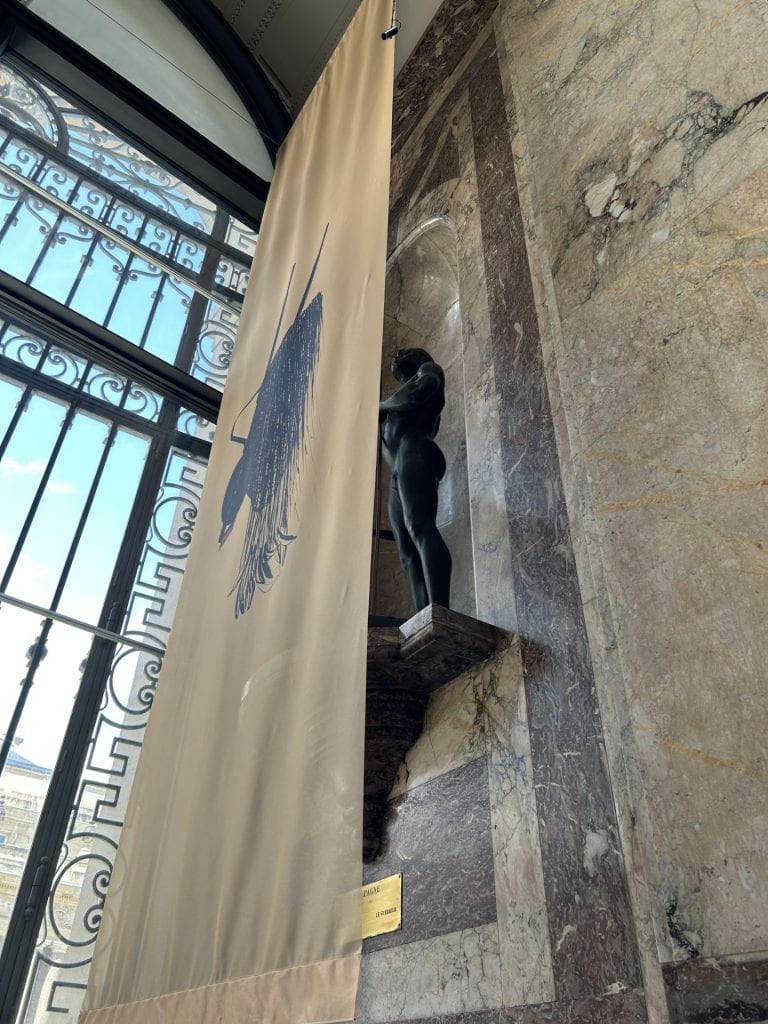
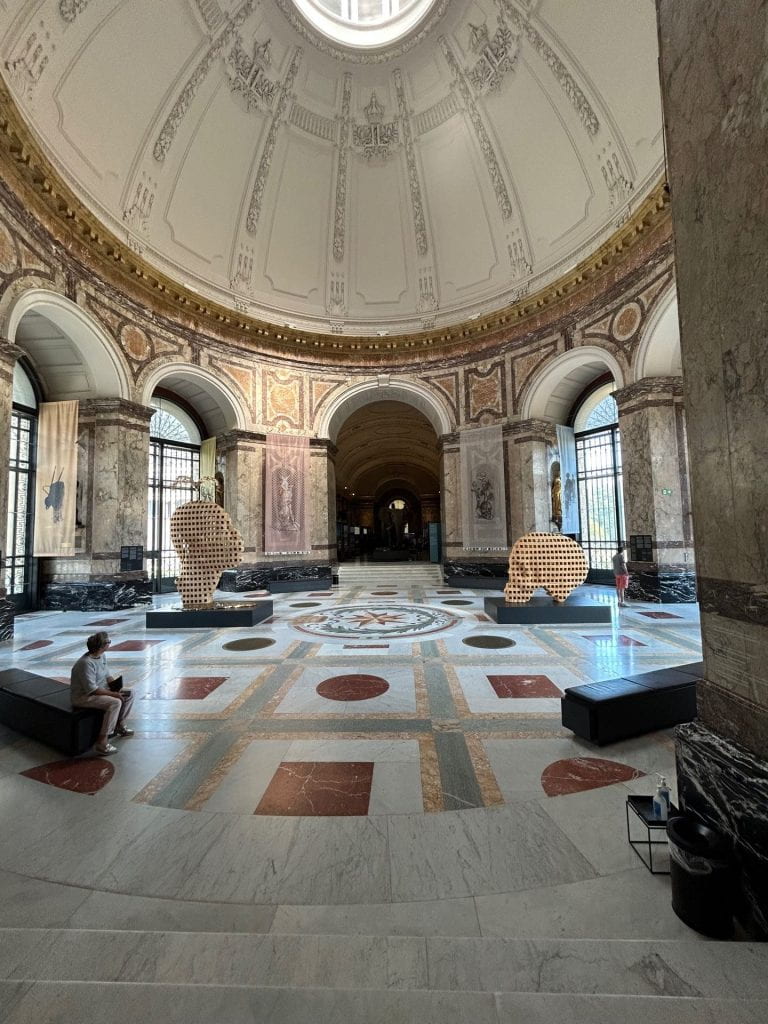
In the rotunda of the museum, an ivory bust of Leopold once sat in the middle of the palace but has now been replaced with Congolese artist’s, Aimé Mpane, sculptures. His work, titled New Breath, is centered around creating an optimistic and celebratory future of the Congo using the Congolese people as a muse with the hopes of giving Africans a “central place” in the museum. With removing Leopold’s bust and adding the two new sculptures it shifts the power to the Congolese, ultimately now giving them a voice. The head on the right is made of bronze and is a direct correlation to a magnificent future. Across is a sculpture that represents the skull of Chief Lusinga. The head was taken as a war trophy by Storms and was in the RMCA (Royal Museum for Central Africa) until 1964 “and it currently still is in the storage of the Royal Belgian Institute of Natural Sciences” (The Brussels Times 2023). The ivory bust of Leopold is still in the museum but is now sitting behind glass with other ivory artifacts. Surrounding the new sculptures are old statues that tell one story but are now covered by pictures of a rewritten narrative. By looking closely, I was able to notice that all of the old sculptures were created by Belgians, but the new illustrations were made by Congolese. This is a great example of giving voice to oppressed people and allowing for their art to be on display to recast their own story about their ancestors, who weren’t given the chance.
Resources:
“History and Renovation.” Royal Museum for Central Africa. Accessed 16 Jul 2023. https://www.africamuseum.be/en/about_us/history_renovation.
Kakissis, Joanna. “Where ‘Human Zoos’ Once Stood A Belgian Museum Now Faces Its Colonial Past.” NPR. Accessed 16 Jul 2023. https://www.npr.org/2018/09/26/649600217/where-human-zoos-once-stood-a-belgian-museum-now-faces-its-colonial-past
Plesea, Ioana. “Colonial human remains should be returned, not put on display.” Accessed 16 Jul 2023. https://www.brusselstimes.com/432812/colonial-human-remains-should-be-returned-not-put-on-display